High Liner Fish Cooking Instructions: A Comprehensive Guide (Updated 02/26/2026)
Don’t bother thawing! This guide provides quick, easy instructions for preparing delicious High Liner fish, helping you get dinner on the table fast, even on busy nights.
Understanding High Liner Fish Products
High Liner Foods offers a diverse range of frozen seafood, prioritizing quality and convenience for home cooks. Their products are typically flash-frozen shortly after catch, preserving freshness and flavor.
You’ll find various cuts and coatings, from skin-on fillets to breaded portions, catering to different preferences and cooking methods. Understanding these options is key to successful preparation.
High Liner focuses on sustainable sourcing, ensuring responsible fishing practices. Packaging clearly indicates the fish type, weight, and any included seasonings or coatings.
Importantly, many High Liner products are designed for cooking directly from frozen, eliminating the need for thawing and saving valuable time in the kitchen. This convenience is a major benefit for busy individuals and families.
Types of High Liner Fish Available
High Liner boasts an extensive selection, with cod and haddock being popular choices for their mild flavor and flaky texture. These white fish varieties are incredibly versatile, lending themselves well to various cooking techniques.
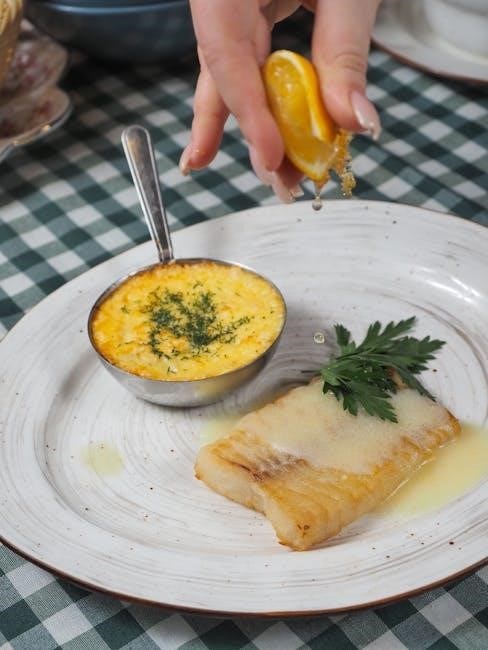
Salmon, rich in Omega-3 fatty acids, is another staple, available in fillets and portions. Beyond these, you’ll discover options like tilapia, known for its affordability and delicate taste, and various breaded or battered fish sticks and fillets for quick meals.
High Liner also offers seasoned options, including lemon-pepper cod and blackened salmon, simplifying meal preparation. Their product range continually evolves, so checking their website or local grocery store is recommended to explore the latest offerings.
Cooking Methods: An Overview
High Liner fish offers incredible flexibility in the kitchen! Pan-frying delivers a crispy exterior and moist interior, perfect for quick weeknight dinners. Baking provides a healthier option, requiring minimal hands-on time and resulting in tender, flaky fish.
For a modern approach, consider air frying – it achieves a similar crispness to frying with significantly less oil. Grilling imparts a smoky flavor, ideal for salmon and heartier fillets. Remember, cooking directly from frozen is a convenient time-saver!
Each method yields slightly different results, so experiment to find your preference. Adjust cooking times based on the fish type, thickness, and whether it’s frozen or thawed.
Detailed Cooking Instructions by Fish Type
Now, let’s dive into specific instructions tailored to High Liner’s popular varieties: cod, haddock, and salmon, ensuring perfectly cooked fish every time.
High Liner Cod Cooking Instructions
Cod is a versatile fish, lending itself well to various cooking methods. High Liner cod fillets are conveniently pre-portioned and ready to cook directly from frozen, saving valuable time. For optimal results, ensure the cod is cooked to an internal temperature of 145°F (63°C).
Whether you prefer a quick and easy pan-fry, a healthy baked option, or the convenience of air frying, High Liner cod delivers a flaky, delicious meal. Remember to adjust cooking times slightly when starting from frozen, adding a few extra minutes to ensure thorough cooking. Experiment with different seasonings and marinades to elevate the flavor profile and create a truly satisfying dish.
High Liner’s commitment to quality ensures a consistently tender and flavorful cod experience, making it a family favorite.
Pan-Frying Cod
Pan-frying High Liner cod is a remarkably quick and easy method, perfect for a weeknight meal. Begin by heating 1-2 tablespoons of oil (vegetable or olive oil work well) in a non-stick skillet over medium-high heat. Gently place the frozen cod fillet into the hot oil, skin-side down if applicable.
Cook for approximately 3-4 minutes per side, or until the cod is golden brown and flakes easily with a fork. Avoid overcrowding the pan; cook in batches if necessary. Season generously with salt, pepper, and your favorite herbs or spices during the last few minutes of cooking. A squeeze of lemon juice after cooking brightens the flavor beautifully.
Ensure the internal temperature reaches 145°F (63°C) for safe consumption.
Baking Cod
Baking High Liner cod offers a hands-off cooking approach, yielding tender and flavorful results. Preheat your oven to 400°F (200°C). Lightly grease a baking dish or line it with parchment paper. Place the frozen cod fillet directly into the prepared dish – no thawing needed!
Drizzle with 1-2 tablespoons of olive oil or melted butter, and season generously with salt, pepper, garlic powder, and paprika. You can also add lemon slices or fresh herbs for extra flavor. Bake for 15-20 minutes, or until the cod is opaque and flakes easily with a fork.
Confirm an internal temperature of 145°F (63°C) before serving. Baking preserves moisture, resulting in a delicate and flaky texture.
Air Frying Cod
Air frying delivers remarkably crispy cod with minimal oil! Preheat your air fryer to 400°F (200°C). No need to thaw the High Liner cod fillet; place it directly into the air fryer basket. Lightly spray the cod with cooking oil to promote even browning and crispiness.
Season generously with your favorite spices – Old Bay seasoning, garlic powder, and pepper work wonderfully. Air fry for 8-12 minutes, flipping halfway through, until the cod is golden brown and flakes easily with a fork.
Ensure the internal temperature reaches 145°F (63°C) for safe consumption. Air frying offers a quick and healthy way to enjoy perfectly cooked cod.
High Liner Haddock Cooking Instructions
Haddock, a mild and flaky white fish, is incredibly versatile. High Liner haddock fillets are conveniently pre-portioned and ready to cook, offering a delicious and healthy meal option. Whether you prefer a quick skillet cook or a more hands-off oven bake, haddock adapts beautifully to various cooking methods.
Its delicate flavor profile pairs well with a wide range of seasonings and sauces. Below, you’ll find detailed instructions for both oven-baked and skillet-cooked haddock, ensuring a perfectly cooked and flavorful dish every time. Remember, High Liner’s quality ensures a consistently excellent result.
Oven-Baked Haddock
For a simple and healthy meal, oven-baked haddock is an excellent choice. Preheat your oven to 400°F (200°C). Lightly grease a baking dish. Place the High Liner haddock fillets in the dish, ensuring they aren’t overcrowded. Drizzle with olive oil or melted butter and season generously with your favorite herbs and spices – lemon pepper and dill are classic pairings.
Bake for 15-20 minutes, or until the fish is opaque and flakes easily with a fork. For added flavor, consider adding lemon slices or a pat of butter on top during the last few minutes of baking. This method yields a moist and flavorful haddock fillet, perfect served with roasted vegetables and rice.
Haddock in a Skillet
Cooking High Liner haddock in a skillet is a quick and convenient method for a weeknight dinner. Heat a tablespoon of oil or butter in a non-stick skillet over medium heat. Gently place the haddock fillets in the hot skillet, ensuring not to overcrowd the pan.
Cook for approximately 4-5 minutes per side, or until the fish is golden brown and flakes easily with a fork. Season with salt, pepper, and your preferred spices during cooking. A squeeze of lemon juice during the last minute adds brightness. Serve immediately with a side salad or steamed vegetables for a complete and satisfying meal.
High Liner Salmon Cooking Instructions
High Liner salmon offers a delicious and healthy meal option, incredibly versatile for various cooking styles. Whether you prefer a smoky char or a tender bake, achieving perfectly cooked salmon is simple. Explore options like grilling for a robust flavor, or oven-baking for a more hands-off approach.
Salmon benefits from bold seasonings and marinades, enhancing its natural richness. Remember to avoid overcooking, as salmon can quickly become dry. Look for opaque flesh that flakes easily with a fork – a sign of perfectly cooked, flavorful salmon. Enjoy this omega-3 rich fish as part of a balanced diet!
Grilling Salmon
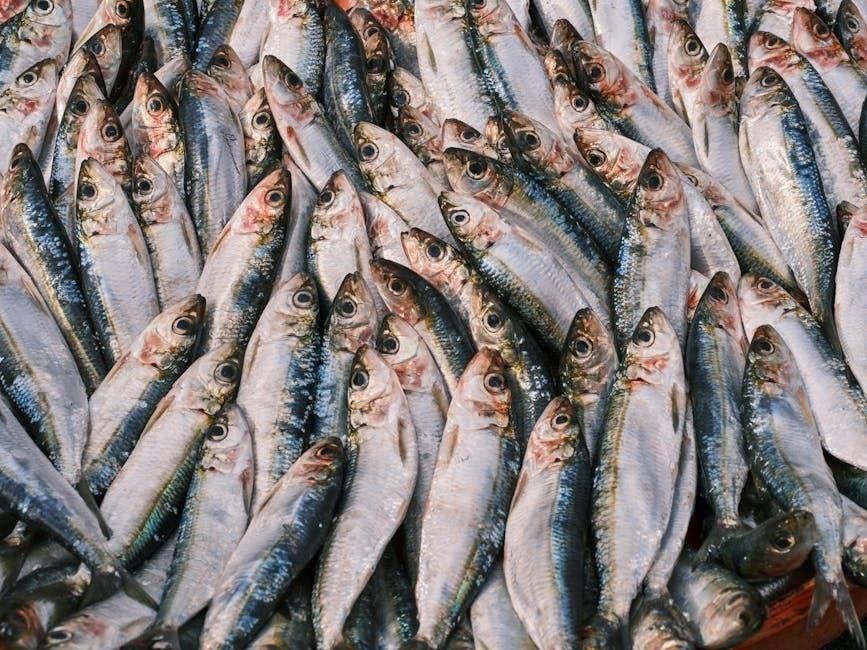
Grilling High Liner salmon imparts a wonderful smoky flavor and creates a slightly crispy skin. Preheat your grill to medium-high heat and lightly oil the grates to prevent sticking. Place the salmon skin-side down initially, allowing it to cook for approximately 4-6 minutes.
Carefully flip and cook for another 3-5 minutes, or until the salmon is opaque and flakes easily with a fork. A touch of lemon juice and herbs during the last few minutes adds brightness. Ensure the internal temperature reaches 145°F (63°C) for safe consumption. Grilling delivers a quick and flavorful salmon experience!
Salmon in the Oven
Baking High Liner salmon is a simple and healthy cooking method. Preheat your oven to 400°F (200°C). Line a baking sheet with parchment paper or foil for easy cleanup. Place the salmon fillet skin-side down on the prepared sheet.
Drizzle with olive oil, season with your favorite herbs and spices, and bake for 12-15 minutes, depending on the thickness of the fillet. The salmon is done when it flakes easily with a fork and reaches an internal temperature of 145°F (63°C). For extra flavor, add lemon slices or a pat of butter before baking. Enjoy a delicious and effortless salmon dinner!
Cooking from Frozen: A Time-Saver
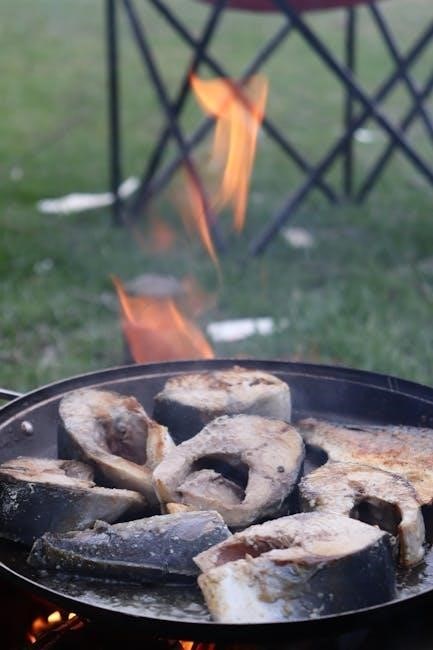
High Liner fish cooks beautifully directly from frozen, eliminating thawing time and making weeknight dinners incredibly convenient and surprisingly quick to prepare.
Benefits of Cooking High Liner Fish from Frozen
Cooking High Liner fish from frozen offers a multitude of advantages for the busy home cook. The most significant benefit is, undoubtedly, the time saved by skipping the thawing process entirely. This is a game-changer on hectic weeknights when time is of the essence.
Furthermore, cooking from frozen helps to preserve the fish’s delicate texture and flavor. The ice crystals formed during freezing actually protect the fish cells, minimizing moisture loss during cooking. This results in a flakier, more succulent final product.
High Liner’s packaging is designed to withstand cooking from frozen, ensuring a safe and convenient experience. It’s a practical solution that doesn’t compromise on quality or taste, making healthy, delicious meals accessible to everyone.
Adjusting Cooking Times for Frozen Fish
When cooking High Liner fish directly from frozen, it’s crucial to slightly increase the cooking time compared to recipes calling for thawed fish. Generally, add approximately 50% more cooking time to account for the frozen state.
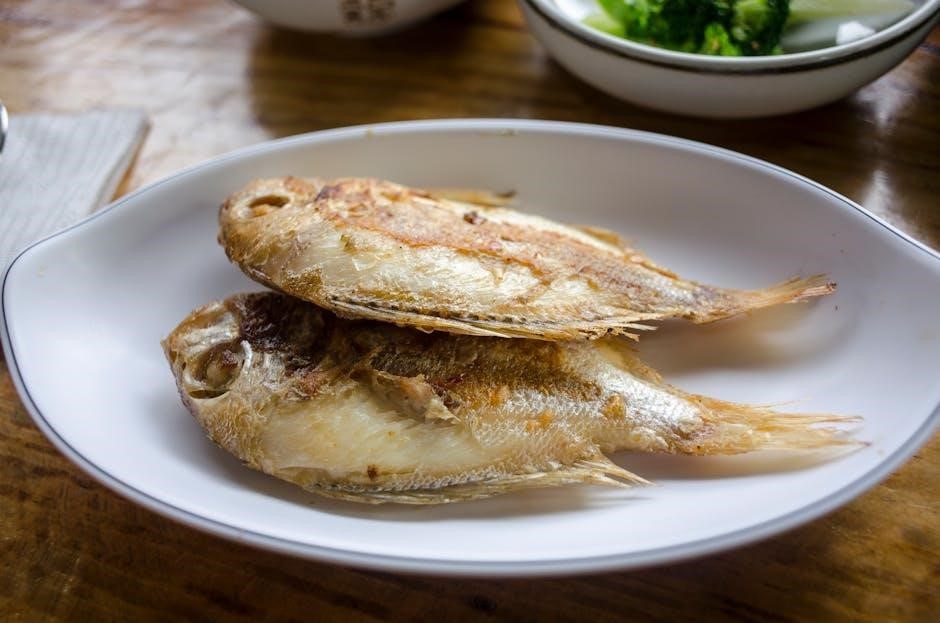
For example, if a recipe suggests baking cod for 15 minutes when thawed, increase the baking time to around 22-23 minutes when starting with a frozen fillet. Always check for doneness using a fork – the fish should flake easily.
Different cooking methods will require varying adjustments. Air frying may need a slightly longer preheating period, while skillet cooking might benefit from a lower initial heat to ensure even cooking. Monitoring the internal temperature is always recommended for optimal results.
Seasoning and Flavor Enhancements
Elevate your High Liner fish with simple seasonings or vibrant marinades! These additions transform a quick meal into a flavorful and satisfying culinary experience.
Simple Seasoning Blends for High Liner Fish
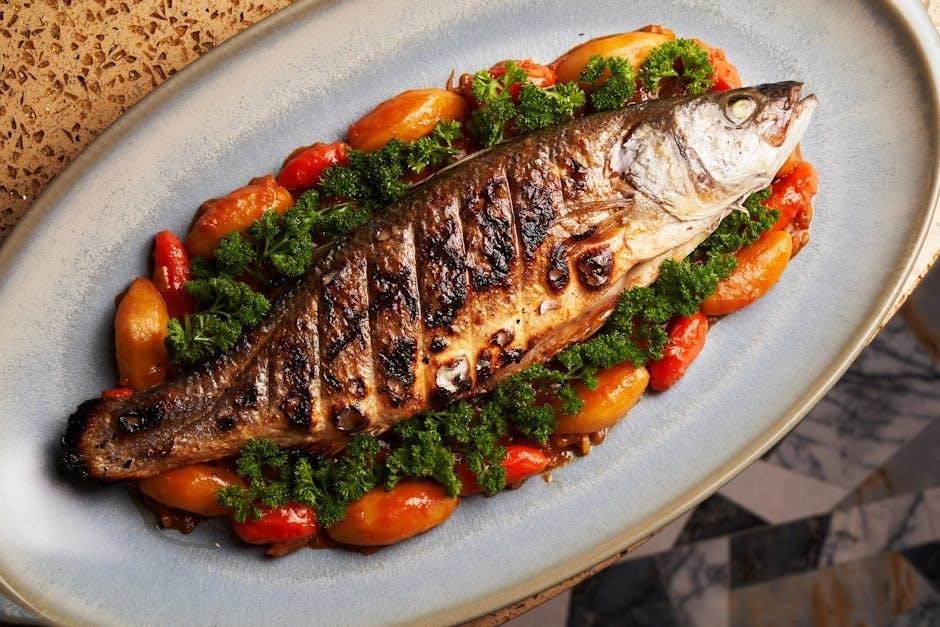
High Liner fish is incredibly versatile, and a little seasoning goes a long way! For a classic flavor, try a blend of salt, black pepper, and garlic powder – it complements most varieties beautifully.
Lemon pepper is another fantastic option, adding brightness and zest. Consider a Cajun spice blend for a bit of heat, or an Italian seasoning mix with herbs like oregano, basil, and thyme.
Don’t underestimate the power of paprika – smoked paprika adds a wonderful depth of flavor. A pinch of Old Bay seasoning is perfect for cod or haddock, evoking coastal flavors. Experiment with dill, parsley, or even a touch of cayenne pepper to create your signature blend!
Marinades for Added Flavor
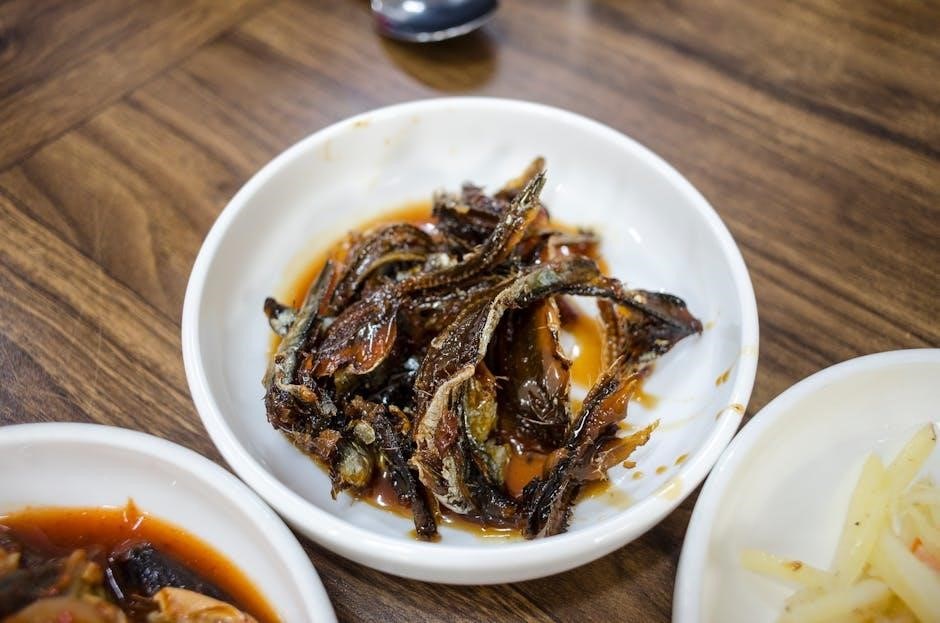
Elevate your High Liner fish with a flavorful marinade! A simple lemon-herb marinade, combining lemon juice, olive oil, garlic, and your favorite fresh herbs (dill, parsley, or thyme), works wonders.
For a bolder taste, try a soy-ginger marinade with soy sauce, grated ginger, garlic, and a touch of honey. A teriyaki marinade offers a sweet and savory profile.
Consider a Mediterranean marinade with olive oil, lemon juice, oregano, and a pinch of red pepper flakes. Marinate for at least 20-30 minutes, or up to an hour, to allow the flavors to penetrate the fish. Remember to discard the marinade after use!
Safety and Quality Considerations
Prioritize food safety! Always cook High Liner fish to the proper internal temperature and ensure it’s flaky, guaranteeing a safe and enjoyable dining experience.
Internal Temperature Guidelines
Ensuring your High Liner fish reaches a safe internal temperature is crucial for both safety and optimal flavor. The USDA recommends cooking fish to an internal temperature of 145°F (63°C).
Use a reliable food thermometer inserted into the thickest part of the fish to accurately measure the temperature. Different cuts and thicknesses may require slightly adjusted cooking times to reach this temperature.
Remember that carryover cooking will continue to raise the temperature slightly after removal from the heat source. For High Liner products, consistently achieving 145°F will result in a moist, flaky, and delicious meal, free from potential foodborne illnesses. Prioritize this step for peace of mind!
Checking for Doneness
Beyond relying solely on cooking times, visually assessing your High Liner fish for doneness is essential. The fish should appear opaque throughout, with the flesh easily flaking apart with a fork.
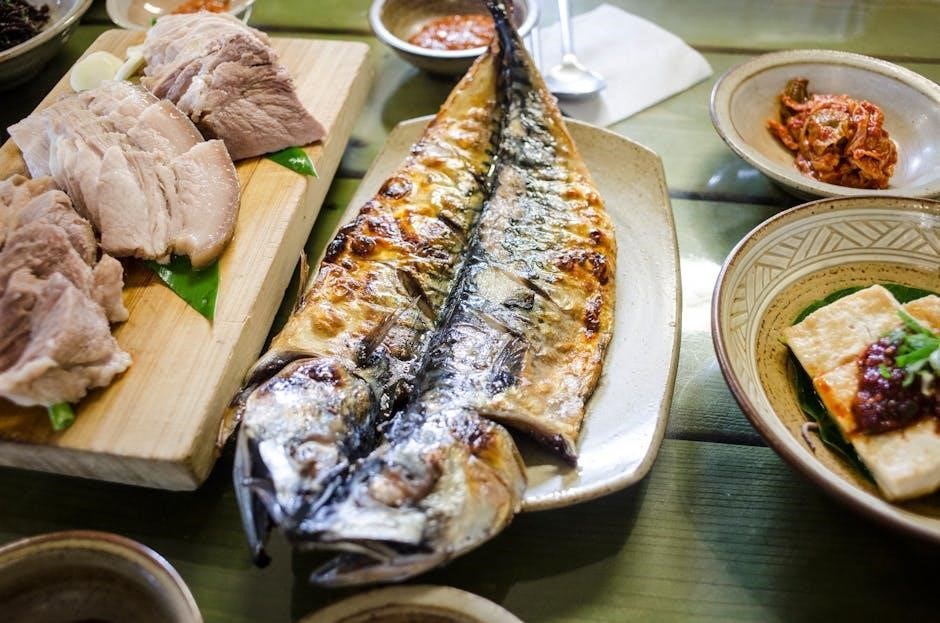
A slight translucency in the very center is acceptable, as carryover cooking will finish the process. Avoid overcooking, as this leads to dry, tough fish. Gently press on the thickest part; it should feel firm, not mushy.
If using a thermometer (recommended!), confirm the 145°F internal temperature. Trust your senses – a pleasant, flaky texture and opaque appearance are key indicators of perfectly cooked High Liner fish!
Troubleshooting Common Cooking Issues
Encountering problems? This section addresses frequent cooking challenges, like sticking or dryness, offering simple solutions for consistently perfect High Liner fish results.
Fish Sticking to the Pan
Fish sticking to the pan is a common frustration, but easily avoidable! Ensure your pan is thoroughly heated before adding any oil. A non-stick skillet is highly recommended for delicate fish like High Liner’s varieties.
Use a generous amount of oil – about 1-2 tablespoons – and allow it to heat up until shimmering. For extra insurance, lightly coat the fish itself with oil before placing it in the pan.
Avoid moving the fish prematurely. Let it cook undisturbed for a few minutes to develop a natural release. If sticking persists, gently loosen the fish with a thin spatula. Lowering the heat slightly can also help prevent sticking and ensure even cooking.
Dry or Overcooked Fish
Preventing dry, overcooked fish is key to enjoying High Liner’s quality products. The biggest culprit is often overcooking! Use a food thermometer to ensure the internal temperature reaches 145°F (63°C) – don’t rely solely on cooking time.
Consider moisture-locking techniques. Baking fish “en papillote” (in parchment paper) or with a sauce helps retain moisture. For pan-frying, avoid overcrowding the pan, as this lowers the temperature and leads to steaming instead of searing.
If cooking from frozen, slightly increase cooking times, but monitor closely. Remember, fish continues to cook from residual heat even after removal from the heat source.