Embarking on a culinary journey helps children develop essential life skills. This section examines the importance of early kitchen exposure, highlighting how practical experience encourages curiosity, healthy eating habits, and a strong sense of personal accomplishment.

What is The Complete Cookbook for Young Chefs?
This comprehensive digital guide serves as a foundational resource for kitchen exploration. It provides a structured approach to learning cooking arts through simplified instructions, vivid imagery, and a wide variety of tasty meal options available now.
Target Audience
This guide is specifically designed for children who are eager to step into the kitchen and begin their gastronomic adventures. It caters to a wide range of ages, from elementary school students who are just starting to understand measurements to older children seeking more complex challenges. Beyond the young learners, the material is equally valuable for parents who wish to engage their offspring in meaningful activities. Educators also find this resource beneficial for classroom settings where active learning is prioritized. Caregivers looking for structured ways to introduce culinary concepts will find the approach accessible and encouraging. The content is tailored for those who may have zero prior experience with heat or knives, ensuring that the entry point is welcoming. By focusing on the needs of novices, it bridges the gap between simple observation and active participation. Whether it is a curious young child or a patient guardian guiding them, the focus remains on creating a supportive environment. This inclusivity ensures that every participant, regardless of their initial skill level, feels capable of producing something delicious and rewarding for the whole family to enjoy.
Key Learning Objectives
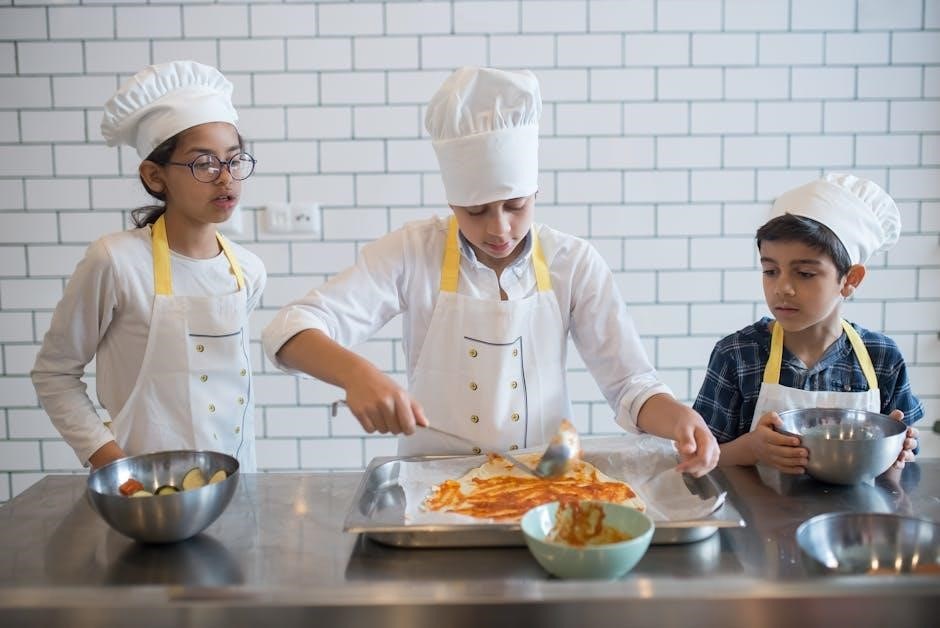
The primary goals focus on mastering the fundamental aspects of recipe comprehension and execution. Students will learn how to accurately interpret measurements, distinguishing between teaspoons, tablespoons, and cups to ensure consistent results. A major objective is developing the ability to follow sequential instructions precisely, which fosters critical thinking and attention to detail. Participants will explore the science of flavor, learning how different ingredients interact to create balanced tastes. Understanding the concept of mise en place is another critical goal, teaching learners to organize their workspace and prepare all components before starting the actual cooking process. Furthermore, the curriculum aims to build confidence in experimenting with ingredients, encouraging young minds to modify flavors based on personal preference. By focusing on these milestones, the material ensures that users move beyond mere mimicry toward a genuine understanding of culinary logic. The objective is to transform a simple activity into a structured educational experience that emphasizes patience, accuracy, and a systematic approach to food preparation. These goals provide a solid foundation for anyone looking to master the art of cooking through a disciplined yet very creative framework.
Benefits of Cooking for Children
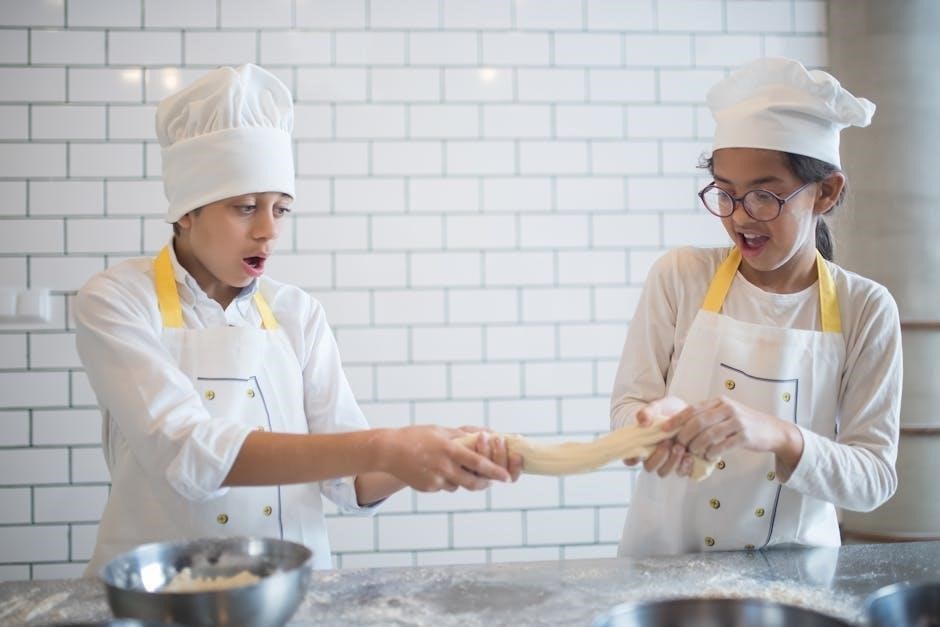
Engaging in food preparation offers numerous advantages for youth. It sparks immense creativity while teaching patience and discipline. Moreover, it strengthens family bonds through shared activities and introduces basic science concepts in a very fun way.
Developing Motor Skills
Cooking serves as a dynamic playground for physical growth. When children engage in kitchen activities, they refine their fine motor skills through precise movements. Stirring a thick batter requires wrist strength and coordination, while sprinkling salt or herbs demands a delicate touch and controlled finger movements. These small actions are crucial for developing dexterity, which later assists in writing and drawing. Furthermore, the act of whisking eggs or kneading dough involves repetitive motions that build muscle memory and endurance in the hands and arms. Gross motor skills are also exercised as children reach for ingredients on various shelves or stand steady while mixing ingredients in a large bowl. Visual coordination improves significantly when they carefully pour liquids from a measuring cup into a mixing bowl without spilling. Every chop, peel, and stir acts as a lesson in spatial awareness and precision. By manipulating different textures, from soft flour to firm vegetables, kids learn to adjust their grip and pressure. This tactile exploration is fundamental for their overall physical development, ensuring they grow confident in their ability to handle objects with accuracy and care.
Understanding Nutrition
Introducing children to the world of nutrition transforms how they perceive food. Instead of viewing vegetables as chores, they begin to see them as fuel for their bodies. By learning about different food groups, children understand the specific roles that proteins, carbohydrates, and fats play in their daily growth. They discover how vitamins from colorful fruits boost their immune systems and how minerals from leafy greens strengthen their bones. This knowledge empowers them to make informed decisions about what they eat, shifting the focus from taste alone to overall wellness. When kids identify the components of a meal, they become more curious about the origins of their food and the benefits of a balanced diet. Discussing the importance of hydration and limiting processed sugars helps them cultivate lifelong healthy habits. Rather than following strict rules, they learn the logic behind nutritional choices, making them more likely to experiment with new, healthy ingredients. This educational process fosters a positive relationship with food, reducing pickiness and promoting a holistic approach to health that will serve them well throughout their entire adult lives. Such knowledge helps.
Promoting Independence
Cooking is a gateway to self-reliance. When children take charge of a recipe, they learn that they can provide for themselves; This shift from being served to serving others builds immense confidence. They start to realize that they possess the capability to handle complex tasks from start to finish. Managing a simple dish involves planning, organizing, and executing a sequence of steps without constant hand-holding. This process encourages critical thinking and problem-solving when things do not go as planned. As they master small tasks, their self-esteem grows, encouraging them to take on more responsibilities in other areas of their lives. The pride felt when presenting a finished meal to the family is a powerful motivator. It reinforces the idea that their efforts lead to tangible, positive results. By trusting them with the process, adults validate their competence and encourage a proactive mindset. Eventually, this autonomy extends beyond the kitchen, fostering a spirit of initiative and a belief in their own ability to navigate the world independently. This growth is essential for their overall development and future success. They learn to trust their instincts.
Exploring the Contents of the PDF
This digital guide provides a comprehensive layout designed to guide novices through the art of cooking. It organizes information logically, ensuring that every young learner can navigate the pages easily to find very helpful culinary guidance.
Basic Kitchen Safety
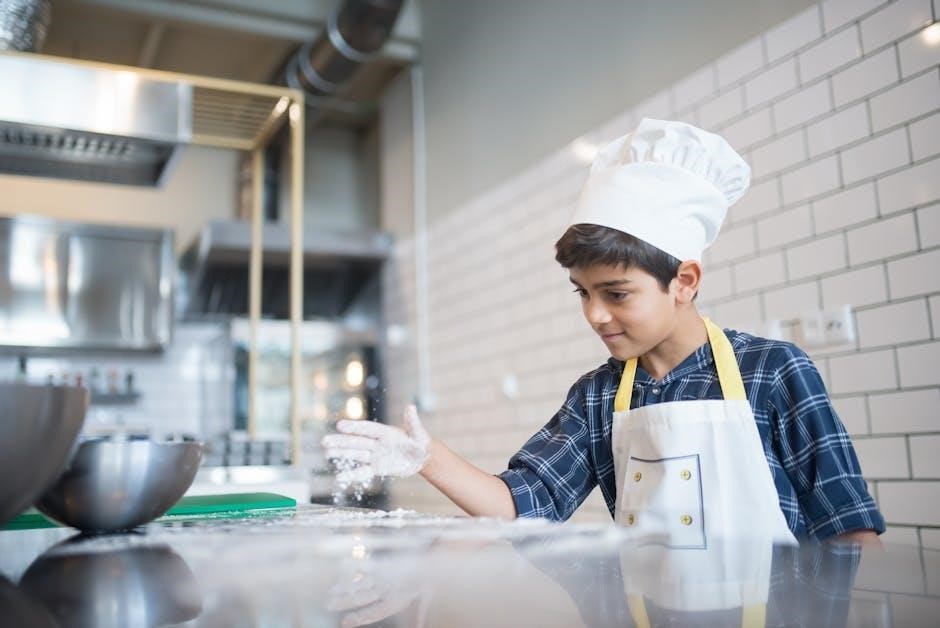
Safety is the most critical foundation for any novice entering the kitchen. Before touching any ingredients, children must learn the golden rules of hazard prevention. Proper handwashing is the first step to ensure that no bacteria contaminate the food. Understanding how to handle sharp objects is equally vital; learners are taught to keep fingers tucked away and always cut away from their bodies. Heat management is another primary focus. This includes knowing how to handle pot handles to avoid burns and understanding the dangers of steam. Furthermore, the guide emphasizes the importance of cleaning spills immediately to prevent dangerous slips. Recognizing the signs of a grease fire and knowing exactly when to ask for help are essential skills that protect the environment. By mastering these protocols, young enthusiasts can explore their creativity without compromising their well-being. The focus remains on vigilance and caution, ensuring that every session remains a positive experience. Following these guidelines transforms a potentially risky space into a secure laboratory where experimentation thrives under a framework of strict safety standards and mindful behavior throughout the entire process of food preparation.
Essential Tools and Equipment
Equipping a young culinary enthusiast requires a selection of tools designed for smaller hands and varying skill levels. Measuring cups and spoons are indispensable, as they teach the precision required for successful baking and cooking. Mixing bowls of various sizes allow for the blending of ingredients without spills, providing a stable base for stirring. A sturdy whisk is essential for incorporating air into batters or beating eggs efficiently. Spatulas come in handy for scraping every bit of dough from the bowl or flipping pancakes on a griddle. For cutting, nylon knives or specialized small cutters are recommended to ensure a firm grip while slicing soft fruits and vegetables. Baking sheets and cake pans provide the necessary structure for baked creations. Additionally, handheld peelers and graters introduce children to different textures and shapes. Understanding the purpose of each implement helps a novice navigate the workspace with confidence. By assembling a basic kit of these fundamental items, children can transition from observers to active participants. These tools bridge the gap between imagination and a tangible dish, making the process of food preparation an engaging experience.
Fundamental Cooking Techniques
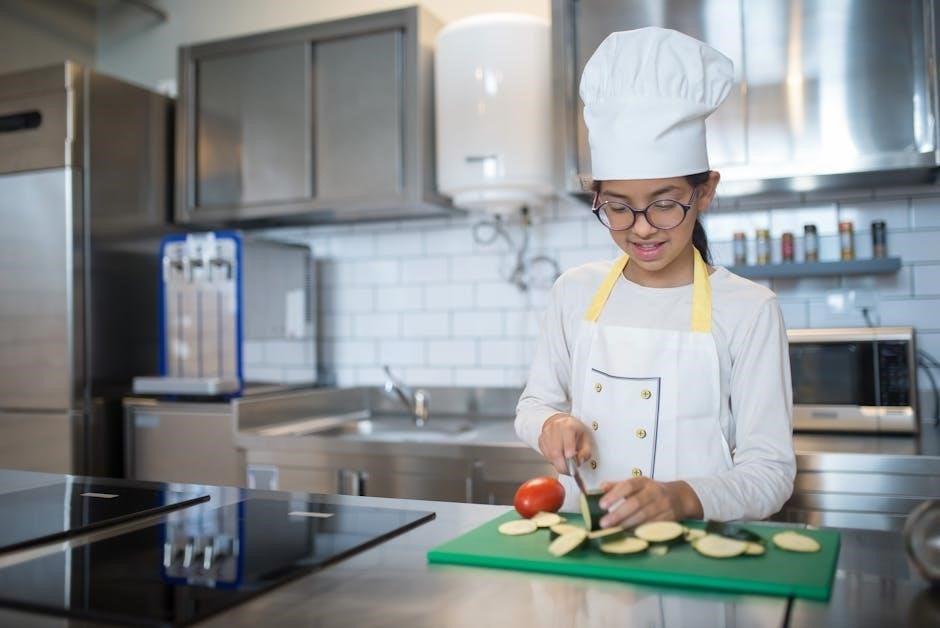
Mastering basic methods is the cornerstone of becoming a proficient cook. Young learners start with simple actions like stirring and mixing, which help them understand how textures change when ingredients merge. Folding is a delicate technique used to keep air in batters, ensuring cakes remain fluffy. Measuring correctly is crucial for consistency, requiring a steady hand and a keen eye. Boiling and simmering introduce the concept of heat management, showing how water behaves at different temperatures. Sautéing teaches children how to cook quickly in a pan with a small amount of oil, enhancing flavors through searing. Whisking is an energetic task that blends liquids smoothly, often used for dressings or egg mixtures. Peeling and basic chopping allow children to prepare raw ingredients, ensuring that the food is ready. These foundational skills are not just about food; they are actually about precision and great patience. By practicing these methods repeatedly, children gain the necessary experience needed for more complex dishes. Each single technique serves as a building block, transforming a simple recipe into a truly successful meal while fostering a deep appreciation for cooking.
Recipe Categories
The collection is thoughtfully organized into distinct sections to help young cooks navigate their culinary adventures easily; It begins with energizing breakfast options, featuring quick oats and colorful fruit parfaits that start the day right. Moving forward, the lunch and dinner categories offer balanced meals, such as homemade vegetable pizzas and simple pasta dishes, designed to please picky eaters. Snacks are another highlight, focusing on tasty treats like apple slices with almond butter or crunchy carrot sticks, proving that home cooking can be delicious. For those with a sweet tooth, the dessert section provides a variety of indulgent treats, ranging from classic chocolate chip cookies to vibrant berry tarts. Additionally, a dedicated beverage section provides recipes for refreshing smoothies and zesty lemonades. Each category is carefully curated to provide a diverse range of flavors and colors, ensuring that every child finds something they love to prepare. By grouping recipes this way, the guide encourages exploration and allows learners to choose dishes based on the time of day or their specific cravings, making the overall cooking experience feel incredibly structured and also very fun.
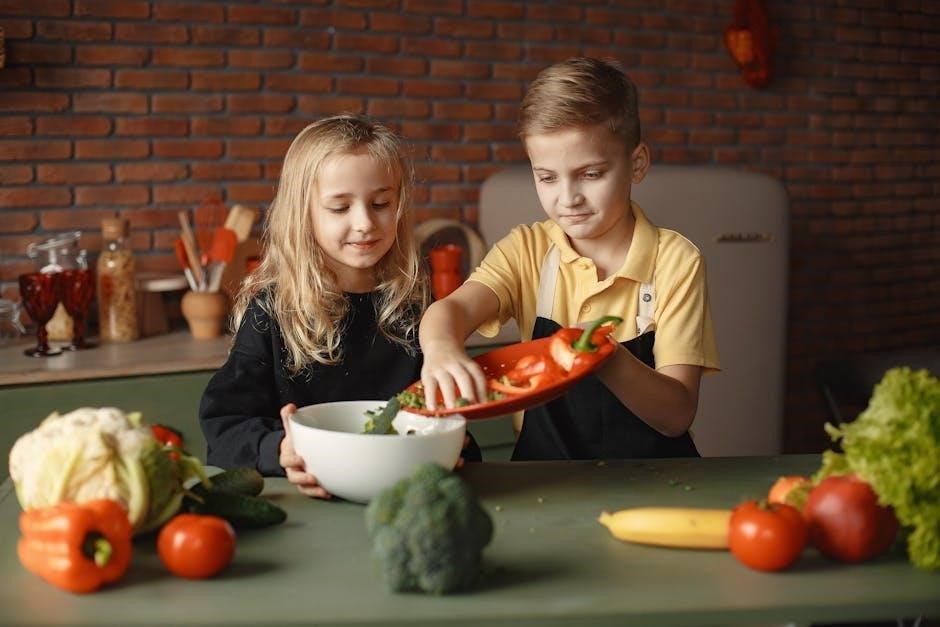
How to Find the Free PDF Legally
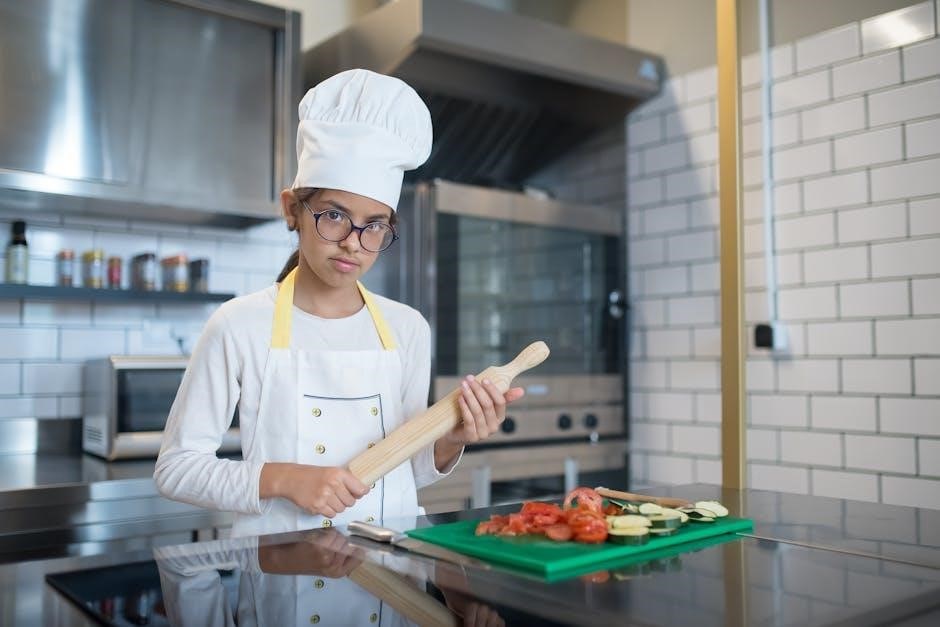
Finding a digital copy of this guide requires knowing where to look. There are several legitimate ways to acquire the document without violating copyright laws, ensuring that creators receive proper credit for all their hard work.
Public Libraries and Digital Loans
Many local community centers provide access to extensive digital archives that allow families to borrow electronic versions of instructional guides. By utilizing a valid library card, users can often access platforms such as Libby or OverDrive. These applications synchronize with the local library system, making it possible to download educational materials directly to a tablet or smartphone. This method is completely legal and supports the public infrastructure of knowledge sharing. Instead of purchasing a physical copy, parents can simply check out the digital file for a set period. Once the loan expires, the document is automatically returned, ensuring that other eager learners have an opportunity to study the same content. This streamlined process eliminates the need for travel and provides instant access to valuable resources from the comfort of home. Digital loans are an excellent way to obtain diverse instructional materials while maintaining a strict and reasonable household budget. By leveraging these institutional resources, you can ensure that your children have the tools they need to succeed in the kitchen without spending any money on expensive retail downloads or unauthorized copies. This helps.
Educational Resource Websites
Many specialized academic portals and charitable organizations offer a variety of free instructional materials to support youth education. These platforms often collaborate with health departments or culinary schools to provide accessible guides that teach children how to handle ingredients and prepare meals. By searching through reputable educational repositories, parents can discover curated lists of pedagogical tools designed specifically for the classroom or home environment. Often, these sites require a simple registration or a teacher’s verification to unlock premium content. Using these verified channels ensures that the materials are accurate, safe, and aligned with current nutritional standards. Furthermore, some public communities host vetted guides that are free for public consumption, promoting a culture of shared knowledge. These websites frequently categorize their assets by age group or skill level, making it easier for caregivers to find the right level of difficulty for their children. Exploring these digital landscapes allows families to access excellent teaching aids without financial barriers. By utilizing these legitimate academic sources, you ensure that the learning process remains secure, legal, and focused on the core goals of early childhood development. This helps.
Official Publisher Promotions
Publishers occasionally release limited-time offers to increase the visibility of their titles. These marketing campaigns often involve providing a complimentary digital sample or a full version of a guide to those who sign up for an email newsletter. By subscribing to a mailing list, you might receive a notification about a seasonal giveaway or a special anniversary event where content is distributed for free for a short duration. Additionally, some publishing houses partner with social media platforms to run contests where lucky winners receive digital copies. Checking the official website of the author or the publishing entity is the most reliable method to find these legal opportunities. These promotions are designed to attract new readers and encourage them to explore more of the company’s catalog. It is important to stay vigilant about the terms and conditions associated with these downloads to ensure they are legitimate. By following official channels, you avoid the risks associated with unofficial sites while gaining access to high-quality instructional material. These strategic giveaways allow the creators to reach a wider audience while providing value to eager learners and parents.
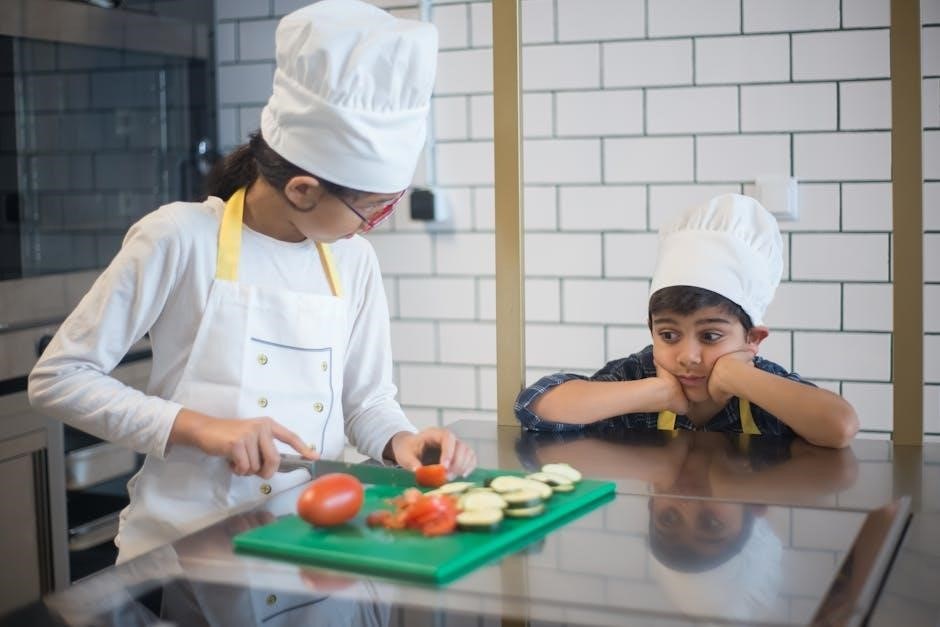
Tips for Parents and Educators
Guiding children in the kitchen requires patience and a supportive environment. Adults should focus on encouraging exploration while maintaining a positive atmosphere, ensuring that the learning process remains enjoyable and very relaxed for every young participant.
Supervising Young Chefs
Effective guidance is paramount when children enter the kitchen. Adults must maintain a constant presence, ensuring that every action is monitored without stifling the child’s creativity. The primary goal is to provide a safety net that allows learners to experiment while preventing accidents; By standing nearby, supervisors can offer immediate correction and positive reinforcement, which builds confidence. It is essential to communicate clearly, giving detailed instructions that are easy to follow. Instead of doing the work for them, adults should encourage the youth to tackle challenges independently, intervening only when necessary. This balanced approach fosters a sense of responsibility and trust. Furthermore, maintaining a calm demeanor helps children stay focused and reduces anxiety during the cooking process. When a mistake happens, such as spilling flour or beating batter too much, the supervisor should treat it as a teaching moment rather than a failure. This supportive interaction transforms a simple meal preparation into a valuable lesson in resilience. By being an active observer and a gentle guide, you ensure that the experience is both productive and secure, paving the way for future culinary success.
Adapting Recipes for Age Groups
Tailoring culinary tasks to a child’s developmental stage is crucial for their success and enjoyment. For the youngest participants, focus on tactile experiences. Let them tear lettuce, stir cold ingredients, or wash vegetables. These simple actions introduce them to food textures without requiring precision or risk. As children grow, introduce more complex measurements. Teaching them how to use measuring cups and spoons helps bridge the gap between play and actual cooking. For middle-childhood ages, allow them to handle basic mixing and assembling. They can start learning how to peel soft fruits or grate cheese with a suitable tool. Once they reach their teenage years, the complexity can increase significantly. This is the time to introduce precise knife skills and the management of high heat sources, like searing meat or boiling water. Adjusting the wording of instructions to match their reading level also ensures they feel capable. By gradually increasing the difficulty of the tasks, you prevent frustration and keep them engaged. This progressive approach ensures that the kitchen remains a place of discovery rather than a source of stress for any young child.
Empowering the next generation in the kitchen opens a world of creativity and discovery. By providing structured guidance, adults can help children transform simple ingredients into delicious meals while fostering a lifelong passion for food. This process is more than just following a set of instructions; it is about building confidence and exploring diverse flavors. As they master new skills, children learn the value of patience and the joy of sharing their creations with family and friends. The emotional rewards of seeing a child proudly present a dish they made themselves are truly immeasurable. Such experiences create lasting memories and strengthen bonds between generations. By encouraging this exploration today, we prepare them for a future where they can nourish themselves and others with ease. The journey from a novice helper to a confident home cook is a rewarding path that celebrates growth and curiosity. Ultimately, the goal is to instill a sense of pride and a love for the culinary arts that will stay with them throughout their entire adult lives, ensuring they always appreciate the magic of a hearty meal every day.