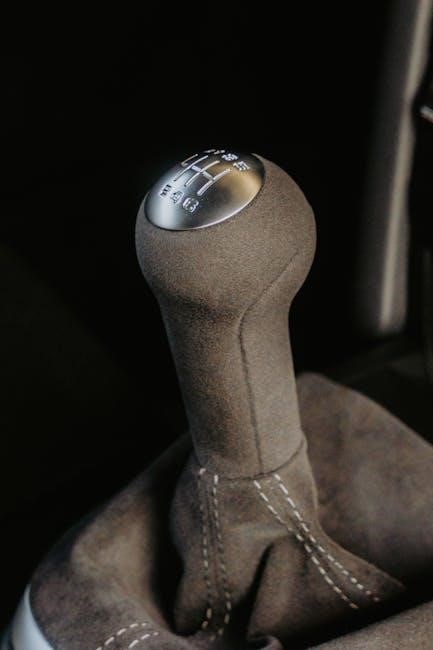
Subaru stands apart, uniquely preserving the driver-focused experience of manual transmissions amidst a growing trend towards automatics and, increasingly, electric vehicles.
Despite the market shift favoring convenience, Subaru continues to cater to enthusiasts who value control, engagement, and a direct connection with their vehicle.
This dedication reflects a commitment to a specific driving philosophy, acknowledging that for many, the act of driving is the experience, not merely transportation.
The Appeal of a Driver-Connected Experience
For many driving enthusiasts, the allure of a manual transmission extends far beyond simply operating a vehicle; it’s about forging a tangible connection with the machine. This connection is particularly strong within the Subaru community, where models like the BRZ and WRX continue to offer a stick-shift option.
The deliberate act of selecting gears, feeling the engine’s response, and mastering the clutch-brake-throttle coordination creates an immersive experience often lost in the seamless efficiency of automatic transmissions. It demands attention, skill, and a proactive involvement that elevates driving from a passive activity to an active pursuit.
This isn’t merely nostalgia; it’s a preference for a more visceral and engaging driving style. The driver dictates the pace, controls the power delivery, and feels intimately connected to the car’s performance. Even as automatics become faster and more sophisticated, they often lack the nuanced control and satisfying feedback that a manual gearbox provides, especially for those who prioritize driving enjoyment above all else.
Why Subaru Remains a Manual Transmission Stronghold
Subaru’s continued offering of manual transmissions, even as other manufacturers largely abandon them, isn’t accidental. It’s a deliberate strategy rooted in understanding its core customer base and honoring the brand’s performance heritage. Subaru recognizes a significant segment of its buyers actively seek a driver-connected experience, and the manual transmission is central to that desire.
Unlike some brands that view manuals as a dying breed, Subaru appears to see them as a differentiator, a key element of its identity. This commitment is further evidenced by recent owner surveys gauging interest in expanding manual options, specifically exploring a potential return to an SUV like the Outback.
This isn’t simply about catering to a niche market; it’s about fostering brand loyalty and attracting enthusiasts who appreciate Subaru’s dedication to driving dynamics. In a market increasingly dominated by automated convenience, Subaru’s stance is a refreshing anomaly, solidifying its position as a haven for those who still believe in the art of driving.
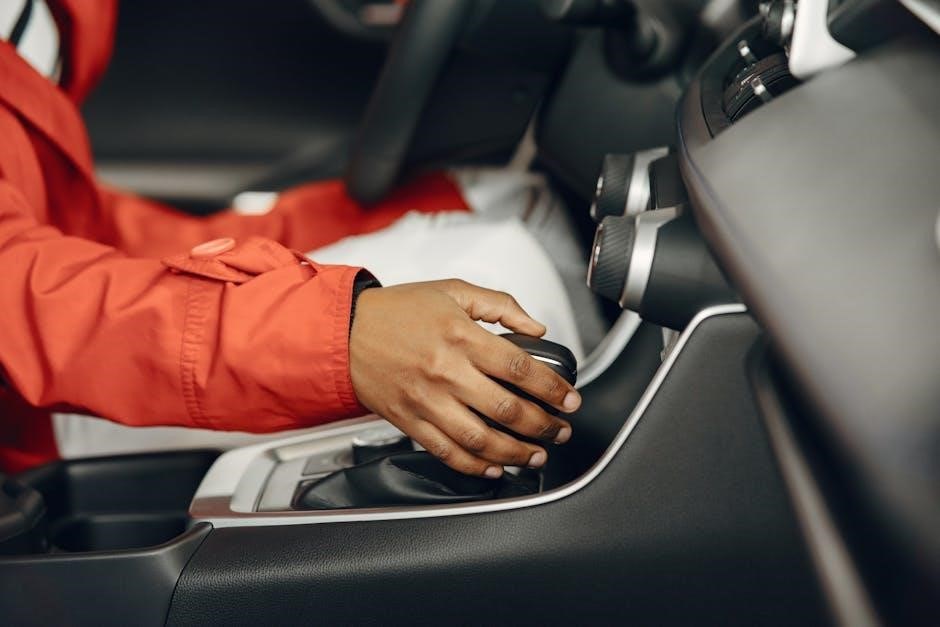
Historical Overview of Subaru Manual Transmissions
Subaru’s journey with manual gearboxes began in the 1970s, evolving through early designs to the now-familiar 5 and 6-speed configurations, consistently prioritizing driver engagement.
Early Subaru Manual Gearboxes (1970s-1990s)
During the 1970s and 1980s, Subaru’s manual transmissions were characterized by their robust simplicity, designed to handle the demands of the company’s early all-wheel-drive systems. These initial gearboxes, typically 4-speed units, focused on durability and functionality rather than outright performance. They were engineered to reliably transfer power to all four wheels, a relatively novel feature at the time, and were integral to establishing Subaru’s reputation for all-weather capability.
As Subaru’s engineering prowess grew throughout the 1990s, so did the sophistication of their manual transmissions. While still prioritizing reliability, Subaru began incorporating improvements to shift quality and overall efficiency. These early systems, though lacking the refinement of later iterations, laid the groundwork for the more advanced manual transmissions that would follow. They represented a crucial phase in Subaru’s development, solidifying their commitment to offering drivers a connected and engaging driving experience, even as automatic transmissions gained popularity.
The Rise of 5-Speed and 6-Speed Manuals

The introduction of 5-speed manual transmissions in Subaru models during the late 1990s and early 2000s marked a significant step forward in driver engagement and efficiency. These gearboxes offered a wider range of ratios, allowing for improved acceleration and highway cruising. This coincided with a growing demand for more refined driving experiences, as Subaru’s performance models, like the WRX, began to gain traction among enthusiasts.
Further refinement came with the adoption of 6-speed manual transmissions in select models, notably the BRZ. This provided even closer gear ratios, optimizing power delivery and enhancing the sporty driving dynamics. The shift towards more speeds wasn’t solely about performance; it also contributed to better fuel economy by allowing the engine to operate more efficiently at various speeds. Subaru’s commitment to offering these options demonstrated a clear understanding of what driving purists desired, even as the automotive industry increasingly favored automatic transmissions.
Subaru’s Commitment During the Automatic Shift
As the automotive world rapidly transitioned towards automatic transmissions, prioritizing convenience and perceived ease of use, Subaru notably resisted a complete abandonment of manual gearboxes. While many manufacturers phased out manual options, Subaru continued to offer them in key models, recognizing the importance of catering to a dedicated enthusiast base. This wasn’t merely a nostalgic gesture; it was a strategic decision to maintain brand identity and appeal to drivers who actively sought a more connected driving experience.
This commitment involved ongoing engineering efforts to refine and improve their manual transmissions, ensuring they remained competitive with advancements in automatic technology. Subaru understood that the manual transmission wasn’t just about shifting gears; it was about driver control, engagement, and a visceral connection to the vehicle. By persevering with manual options, Subaru distinguished itself as a brand that valued driving passion alongside practicality, even amidst a shifting market landscape.
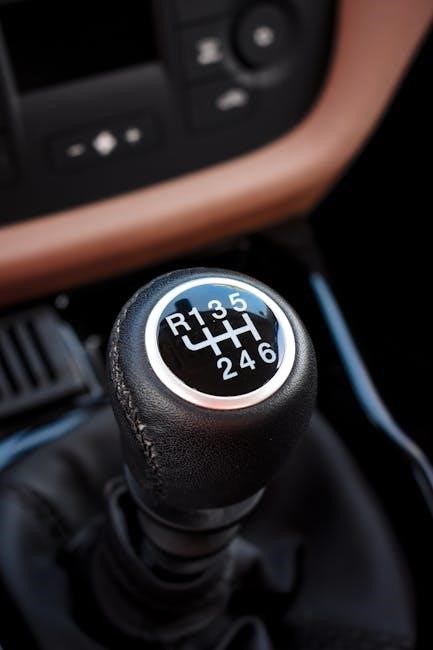
Current Subaru Models Offering Manual Transmissions (as of 04/13/2026)
Currently, Subaru champions the driver’s choice with manual transmissions in the BRZ and WRX, providing engaging experiences. The Forester’s potential return is under survey!
BRZ: The Enthusiast’s Choice
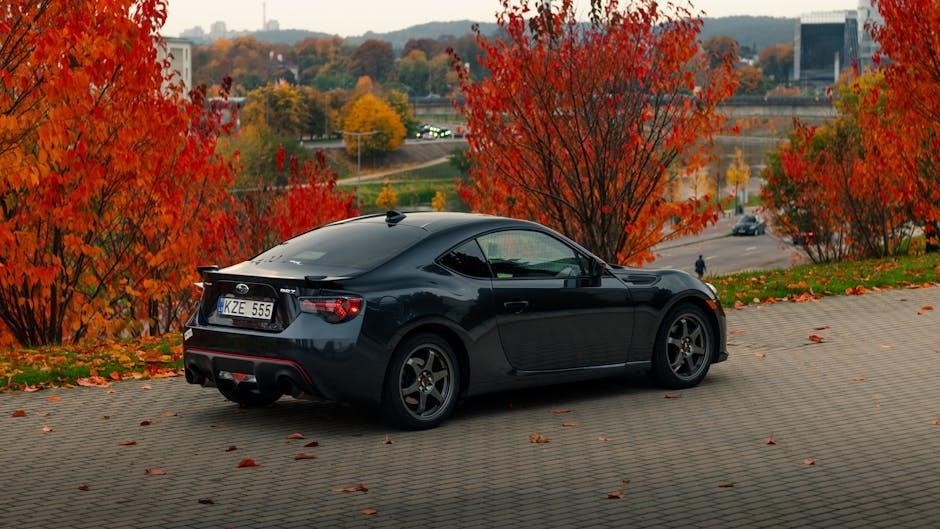
The Subaru BRZ remains a beacon for driving purists, steadfastly offering a six-speed manual transmission as a core part of its identity. This isn’t simply an option; it’s arguably the preferred way to experience the BRZ’s finely-tuned chassis and responsive rear-wheel-drive dynamics.
The BRZ’s manual gearbox is celebrated for its precise shifts and engaging feel, fostering a direct connection between driver and machine. It perfectly complements the car’s lightweight design and balanced handling, creating a truly immersive driving experience. Subaru understands that BRZ buyers aren’t simply looking for transportation; they’re seeking a visceral, rewarding connection to the road.
This commitment to the manual transmission in the BRZ demonstrates Subaru’s understanding of its enthusiast base and their desire for a driver-focused sports car. It’s a deliberate choice that sets the BRZ apart in a market increasingly dominated by automatics, solidifying its position as a favorite among those who truly love to drive.
WRX: Performance and Control
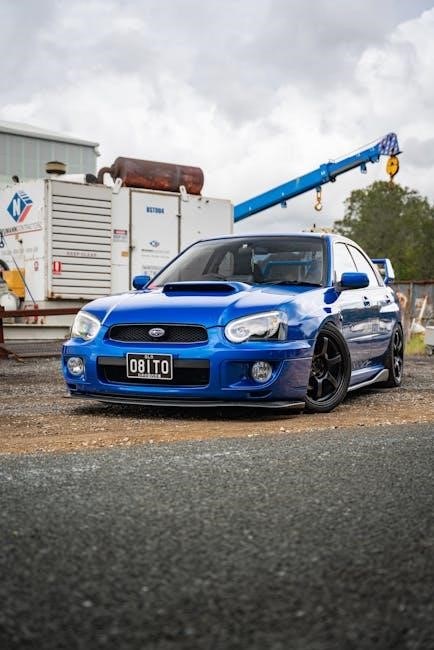
The Subaru WRX continues to champion the manual transmission as a vital component of its performance-oriented character. Offering a six-speed manual, the WRX empowers drivers with complete control over the turbocharged engine and symmetrical all-wheel-drive system, delivering an exhilarating and engaging driving experience.
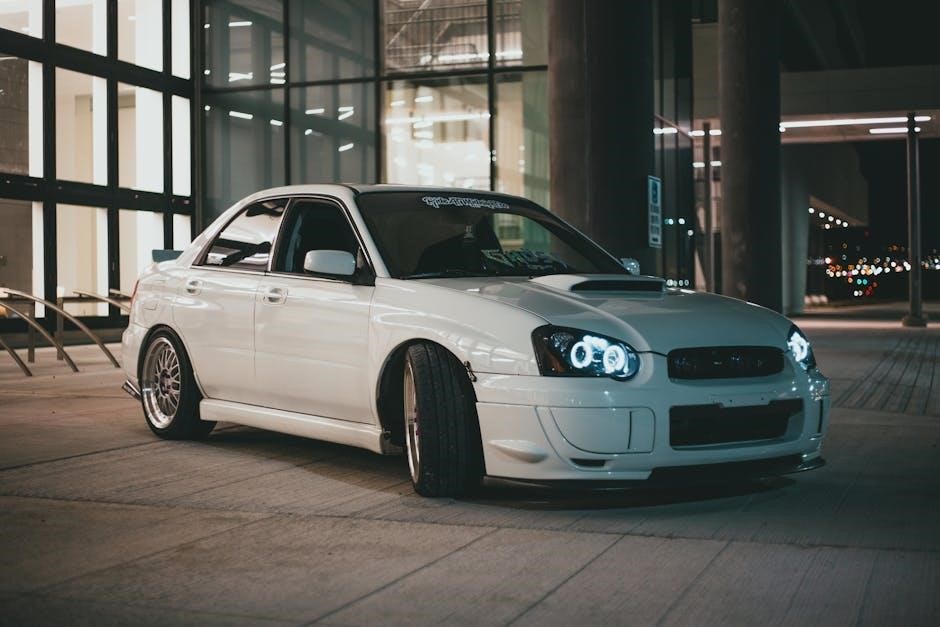
For WRX enthusiasts, the manual gearbox isn’t just a transmission; it’s an integral part of the car’s identity, allowing for precise gear selection and maximizing the vehicle’s potential. It enables drivers to fully exploit the WRX’s power and handling capabilities, whether navigating winding roads or accelerating on open highways.
Subaru recognizes that WRX buyers prioritize driver involvement and a direct connection to the car. By continuing to offer a manual option, Subaru caters to this demand, ensuring the WRX remains a compelling choice for those who seek a truly dynamic and rewarding driving experience, resisting the automatic shift.
Forester: Potential Return of the Manual (Survey Data)
Interestingly, Subaru is actively gauging customer interest in reintroducing a manual transmission option to the Forester model line. Recent owner surveys, conducted on the brand’s website as of April 13, 2026, specifically inquire whether buyers would desire a stick-shift Forester, even mentioning the Outback as a potential comparison point.
This move signals a potential shift in Subaru’s strategy, acknowledging that despite the overall decline in manual transmission popularity, a segment of Forester customers still value the enhanced control and engagement a manual gearbox provides. The survey data will be crucial in determining whether the demand warrants the engineering and production costs associated with offering a manual Forester.
The last Subaru SUV to offer a manual was discontinued a few years prior, but this renewed exploration suggests Subaru is willing to reconsider, driven by direct feedback from its customer base and a recognition of the enduring appeal of a driver-connected experience.
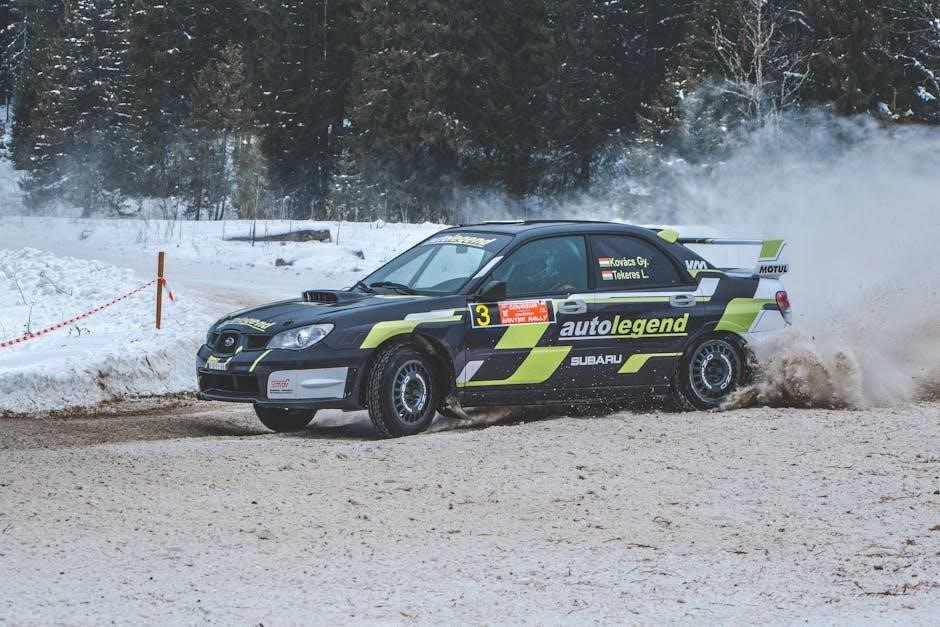
The Advantages of Subaru Manual Transmissions
Subaru’s manual transmissions deliver a uniquely engaging driving experience, offering superior control and, in certain conditions, improved fuel economy compared to automatic counterparts.
Furthermore, opting for a manual often translates to a lower initial purchase price, appealing to budget-conscious enthusiasts.
Enhanced Driver Control and Engagement
The core appeal of a Subaru manual transmission lies in the heightened sense of control it provides to the driver. Unlike automatics, which abstract the gear selection process, a manual gearbox demands active participation, fostering a direct link between driver intention and vehicle response.
This isn’t simply about mechanical operation; it’s about feeling connected to the machine. Drivers can precisely select the gear best suited for the situation – whether it’s downshifting for a spirited corner exit or maintaining optimal engine braking on a descent – resulting in a more immersive and rewarding experience.
The engagement extends beyond performance. The tactile feedback of the shifter, the coordination of clutch and throttle, and the overall mental focus required create a driving experience that is far more stimulating than passively letting an automatic system manage gear changes. This level of involvement transforms driving from a chore into a genuine pleasure, appealing to enthusiasts who truly enjoy the act of piloting a vehicle.
Subaru’s commitment to offering manual options speaks to recognizing this desire for a more connected and engaging driving experience.
Improved Fuel Efficiency (in some scenarios)
While modern automatics have significantly narrowed the gap, a manual transmission in a Subaru can, in certain driving scenarios, still offer improved fuel efficiency compared to its automatic counterpart. This advantage stems from the driver’s ability to precisely control engine RPM and gear selection, optimizing for fuel economy.
Unlike automatics which sometimes ‘hunt’ for the right gear or hold onto gears longer than necessary, a skilled driver can maintain the engine within its most efficient operating range; This is particularly noticeable during highway cruising or in situations requiring consistent speeds. Avoiding unnecessary gear changes and maintaining optimal engine load contribute to reduced fuel consumption.
However, it’s crucial to acknowledge that this benefit is heavily dependent on driving style. Aggressive shifting or frequent stop-and-go traffic can negate any potential fuel savings. Furthermore, the sophistication of modern automatic transmissions, with features like multiple gears and lock-up torque converters, often minimizes the difference in real-world fuel economy.
Ultimately, the fuel efficiency advantage of a Subaru manual transmission is situational, rewarding mindful and efficient driving habits.
Lower Initial Cost (compared to automatics)
Historically, and continuing to be true for current Subaru models offering both options, a vehicle equipped with a manual transmission generally carries a lower initial purchase price compared to the same model with an automatic transmission. This price difference, while not substantial, can be a significant factor for budget-conscious buyers or those prioritizing performance modifications.
The cost savings are directly related to the simpler manufacturing process and fewer components required for a manual gearbox. Automatic transmissions involve complex hydraulic systems, electronic controls, and additional parts, all contributing to a higher production cost. This cost is inevitably passed on to the consumer.
While the price gap has narrowed over time as automatic technology has become more prevalent, the manual transmission still presents a more affordable entry point into Subaru ownership. This allows buyers to allocate funds towards other desired features or aftermarket upgrades, enhancing their overall driving experience.
For enthusiasts prioritizing driving engagement over convenience, the lower initial cost of a manual Subaru is an added benefit.
Common Subaru Manual Transmission Issues & Maintenance
Subaru manual transmissions, while robust, can experience synchro mesh wear, clutch failure, and require periodic shift linkage adjustments for optimal performance and longevity.
Synchro Mesh Problems
Synchro mesh issues represent a common concern within Subaru manual transmissions, particularly as mileage accumulates. These components are crucial for smoothly matching the speeds of the gears during shifts, preventing grinding and ensuring a seamless driving experience. Over time, the synchros can wear down, leading to difficulty engaging certain gears, especially when the transmission is cold.
Symptoms often include a noticeable grinding sound when shifting, or a reluctance to fully enter a gear without forceful manipulation. This wear is often exacerbated by aggressive driving habits or infrequent transmission fluid changes. Addressing this issue typically involves a transmission rebuild or replacement of the worn synchro rings. Regular fluid checks and timely fluid replacements, using the manufacturer-recommended lubricant, can significantly prolong the life of the synchro mesh and prevent premature failure. Ignoring these symptoms can lead to further damage within the transmission, escalating repair costs.
Early detection and preventative maintenance are key to avoiding costly repairs related to synchro mesh degradation.
Clutch Wear and Replacement
Clutch wear is an inevitable consequence of operating a Subaru with a manual transmission, directly correlating with driving style and mileage. Frequent aggressive starts, spirited driving, and consistent use in stop-and-go traffic accelerate the wear process. Symptoms of a failing clutch include slipping – where engine RPMs rise without a corresponding increase in vehicle speed – difficulty engaging gears, a spongy or low pedal feel, and unusual noises during clutch operation.
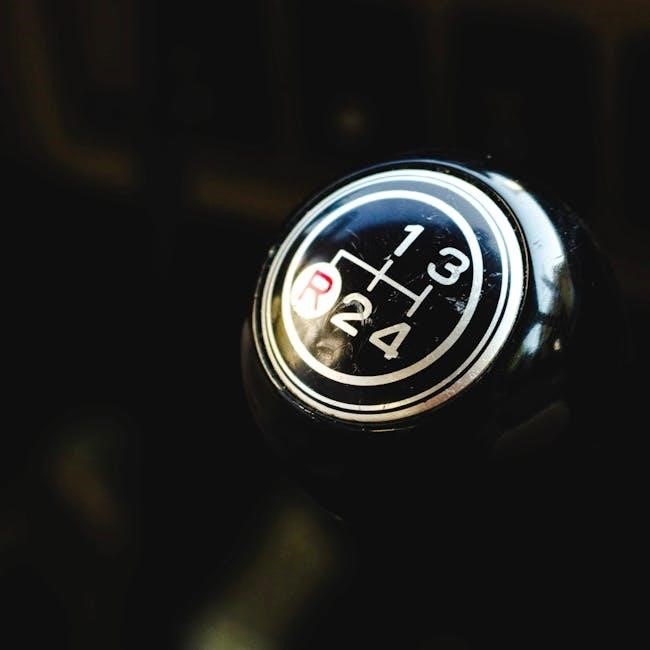
Replacing the clutch typically involves removing the transmission, making it a relatively labor-intensive repair. It’s often recommended to replace the pressure plate, throw-out bearing, and pilot bearing simultaneously for a comprehensive repair. Utilizing a high-quality clutch kit designed for the specific Subaru model is crucial for optimal performance and longevity. Proper break-in procedures after installation are also essential to ensure the clutch engages smoothly and lasts as long as possible. Ignoring clutch wear can lead to complete clutch failure, leaving the vehicle immobile.
Shift Linkage Adjustments
Over time, the shift linkage in a Subaru manual transmission can become misaligned, resulting in imprecise shifting, difficulty selecting gears, or a generally sloppy feel. This can stem from normal wear and tear, impacts from road debris, or even settling of the vehicle’s chassis. Adjustments are often necessary to restore the crisp, direct shifting experience Subaru manuals are known for.
The shift linkage typically involves a series of rods and bushings connecting the shift lever to the transmission. Adjustments usually involve loosening mounting points and repositioning the linkage to achieve proper alignment. Replacing worn bushings is frequently recommended during this process, as they contribute significantly to linkage play. Precise adjustments are critical; incorrect settings can lead to binding or difficulty engaging certain gears. For owners uncomfortable performing these adjustments, a qualified mechanic specializing in Subaru transmissions is highly recommended to ensure accurate and safe results.
The Future of Manual Transmissions at Subaru
Subaru actively gauges owner interest via surveys, particularly regarding manual options in the Outback, demonstrating a willingness to respond to enthusiast demand in a changing market.
Owner Surveys and Market Demand
Subaru’s continued offering of manual transmissions, and potential expansion of that offering, hinges significantly on demonstrated consumer demand. The brand isn’t simply guessing at what enthusiasts want; they are actively soliciting feedback through owner surveys distributed via their website and other channels.
Recent surveys specifically probe interest in a manual transmission option for the Outback, a popular model currently only available with a continuously variable transmission (CVT). This direct approach to market research highlights Subaru’s commitment to understanding its customer base and responding to their preferences.
The automotive landscape is shifting rapidly, with automatic transmissions becoming increasingly sophisticated and prevalent. However, a dedicated segment of drivers still passionately prefers the control and engagement of a manual gearbox. Subaru recognizes this niche, and their survey data will be crucial in determining whether expanding manual options beyond the BRZ and WRX is a viable business strategy. The results will likely influence future product planning and investment decisions.
Potential for Manual Options in the Outback
The Subaru Outback, a cornerstone of the brand’s lineup known for its practicality and all-weather capability, is now under consideration for a manual transmission variant. This possibility stems directly from recent owner surveys gauging interest in a “stick-shift” Outback, signaling a potential response to enthusiast demand.
Currently, the Outback exclusively features a CVT, a transmission type that prioritizes efficiency and smoothness over direct driver control. Introducing a manual option would cater to a segment of buyers who prioritize engagement and a more traditional driving experience, potentially broadening the Outback’s appeal.
However, the decision isn’t solely based on desire. Subaru must weigh the potential sales volume against the engineering and production costs associated with offering another transmission choice. The survey results will be pivotal in determining if sufficient demand exists to justify the investment; A manual Outback could differentiate the model in a crowded SUV market, attracting buyers seeking a unique and driver-focused vehicle.
Subaru’s Position in a Changing Automotive Landscape
Subaru occupies a unique position as one of the last bastions of the manual transmission in a rapidly evolving automotive world increasingly dominated by automatics and electric vehicles. While many manufacturers have abandoned manual options due to declining demand and the advancements in automatic transmission technology, Subaru continues to offer them in select models.
This commitment isn’t simply nostalgia; it’s a strategic decision to cater to a dedicated enthusiast base who value driver engagement and control. However, Subaru faces the challenge of balancing this loyalty with the broader market trend towards convenience and efficiency.
The rise of EVs, with their inherent lack of traditional gearboxes, further complicates the landscape. Subaru’s future success hinges on its ability to innovate and adapt, potentially exploring hybrid or electric models that still offer a compelling driving experience, even if it means reimagining the concept of driver control.